A decision aid is not a substitute decision-maker
Uncertainty creates pressure to hand responsibility to a system, expert, sign, or prediction. The I Ching can be used in that way, but it can also be read more carefully: as a collection of patterns that helps a person see timing, relationship, movement, excess, restraint, and consequence from another angle.
A reflective reading does not remove uncertainty. It interrupts the narrow frame that often forms when we are anxious to decide. The final judgment remains ours, including responsibility for evidence, risk, and the people affected.
Translate an image into a testable question
Ancient images become useful when they lead to concrete observation. A passage about waiting might invite us to ask whether action is premature. A passage about obstruction might reveal a constraint we have been treating as a personal insult. A passage about retreat might distinguish strategic pause from avoidance.
The aim is not to force every symbol into the current situation. It is to generate a better question and then return to facts, relationships, and consequences.
- What am I not seeing because I want a fast answer?
- Which condition must change before this action becomes timely?
- What evidence would make me revise this interpretation?
Beware of interpretations that flatter the preferred outcome
Reflection can become confirmation bias when every image is interpreted as permission to do what we already wanted. One safeguard is to write down both the preferred interpretation and the most credible alternative. Another is to identify the practical evidence that would contradict each reading.
High-stakes medical, legal, safety, or financial decisions require qualified professional guidance and current evidence. A classical text may support reflection, but it should not be presented as a replacement for expertise or as a guarantee of an outcome.
The value lies in attention, not certainty
Used modestly, the I Ching slows the rush from discomfort to action. It helps us ask about context, timing, and the direction of change. This can improve the quality of attention even when the final answer remains difficult.
The most responsible use of an ancient framework is therefore neither blind belief nor dismissive novelty. It is disciplined conversation: allow the text to challenge the first frame, then bring the decision back to evidence, values, and responsibility.
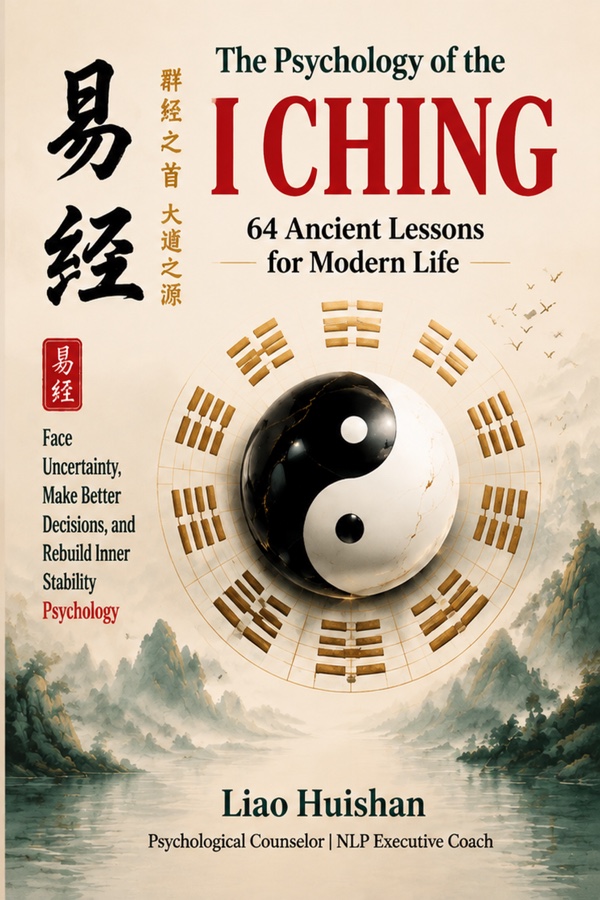
Continue with the book
The Psychology of the I Ching
If this question matches what you are exploring, the book develops the theme in a longer form. Check the current format, availability, and sample on the retailer page before deciding.
Explore the book and reader fit The book page includes a free companion route and a clearly disclosed Amazon option.