The hidden contract behind a pilgrimage
A spiritual journey often begins with an unspoken contract: if I travel far enough, suffer enough inconvenience, or reach the right place, I should receive an answer. The landscape may be sacred, but the expectation is transactional. We ask the destination to prove that the journey was worth taking.
When no revelation appears, disappointment can feel like evidence that the trip failed. Another interpretation is possible: the journey exposed the demand we had placed on experience. The absence of a dramatic answer becomes information about the kind of certainty we were trying to obtain.
A new place does not automatically create a new self
Travel changes cues, routines, and attention. It can make perception vivid because familiar habits are temporarily interrupted. But the mind that compares, controls, performs, and anticipates travels with us. A mountain, temple, or foreign street cannot guarantee that these habits disappear.
This does not make travel meaningless. It makes the value of travel less theatrical. We may return with a more accurate question, a clearer limit, or a humbler relationship to what cannot be understood on demand.
- What did I expect the destination to give me?
- Which part of the journey did I judge because it did not fit the story I planned?
- What remains meaningful even without a dramatic transformation?
The ethics of not turning a place into a backdrop
Spiritual tourism becomes shallow when local people, religious traditions, and hardship are treated only as material for the visitor's self-discovery. A more careful traveler allows the place to remain larger than the personal lesson extracted from it.
That means resisting easy claims of awakening, respecting the difference between observation and authority, and admitting when the journey produced uncertainty rather than mastery.
Learning to coexist with the unanswered
An unanswered search can loosen the belief that inner life progresses through a sequence of decisive revelations. Sometimes the durable change is smaller: we become less hurried to label an experience, less willing to manufacture certainty, and more able to remain present with an unfinished question.
The journey then becomes neither a miracle nor a failure. It becomes a record of what happened when expectation met a world that did not organize itself around our need for resolution.
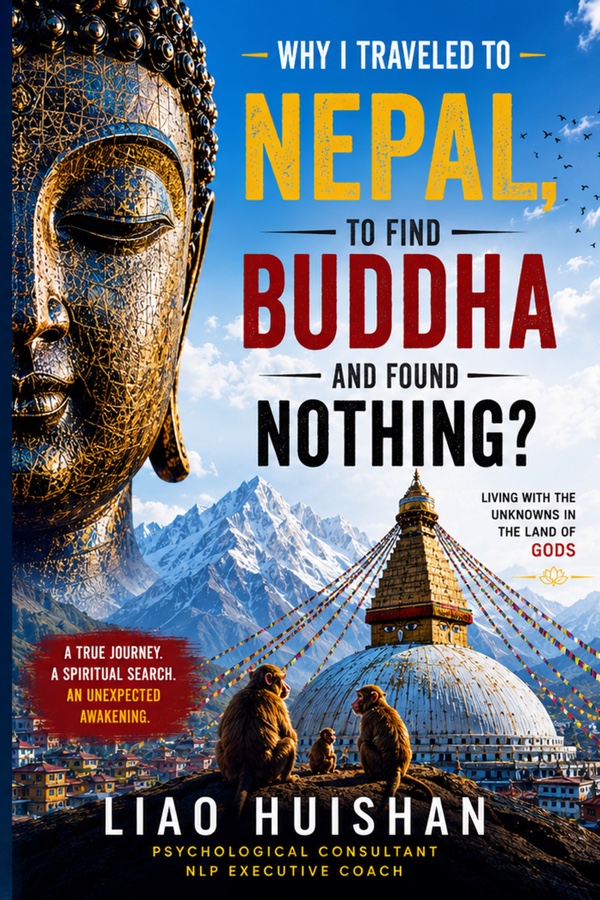
Continue with the book
Why Did I Find Nothing When I Went to Nepal in Search of the Buddha?
If this question matches what you are exploring, the book develops the theme in a longer form. Check the current format, availability, and sample on the retailer page before deciding.
Explore the book and reader fit The book page includes a free companion route and a clearly disclosed Amazon option.